
What’s the start of a blog without an introductory post and the historical background? Honestly, these general facts are easily found if you search Zao Onsen.
However, the majority of the information on Zao Onsen is also centered around winter- ski and snowboarding, the breathtaking Snow Monsters, and onsen life. My hope for this blog is to provide a more personal in-depth and comprehensive view of the town itself, including the shops, restaurants, accommodations, and the people behind the scenes who help make Zao Onsen such a unique destination year round.
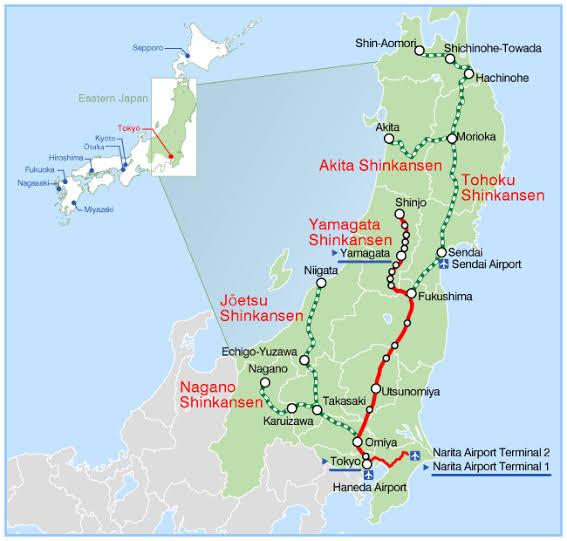
From Tokyo, Zao Onsen is relatively easy to access- just a 2.5 hour scenic shinkansen ride from Tokyo Station (no transfers) to Yamagata Station, and a 35-45 minute bus ride to the Zao Onsen bus terminal.

The Beginning
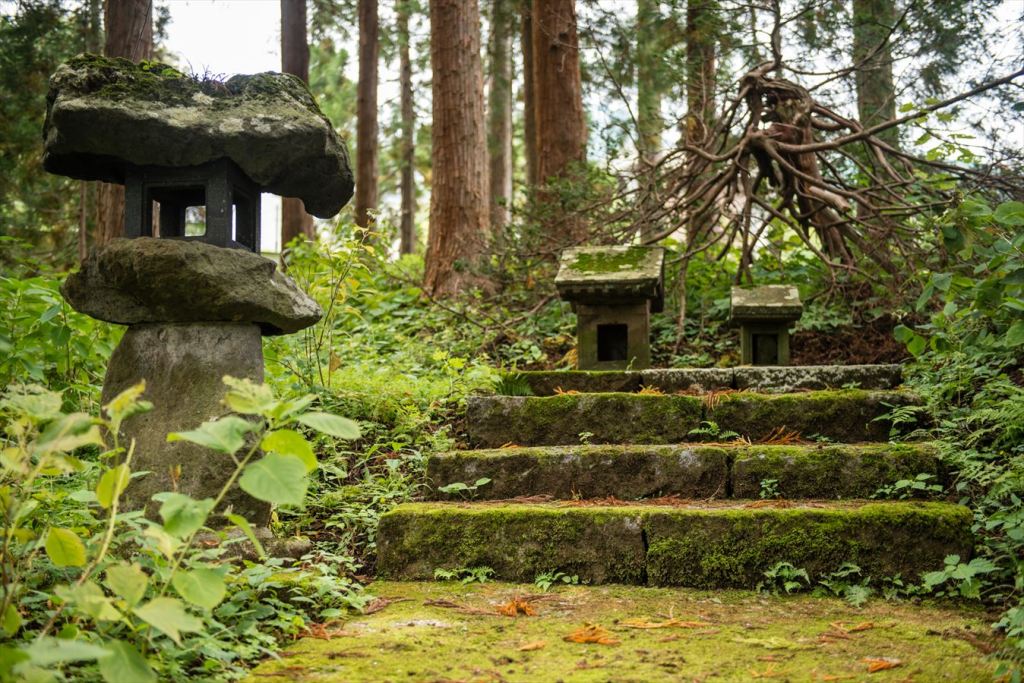
Zao Onsen was originally called Takayu Onsen after an injured warrior named Kibino Takayu was miraculously healed after bathing in the hot springs at what is now the location of the Kawarayu public bath house. The name change to Zao Onsen came relatively recently in 1950 when Mt. Zao was listed as one of the top 100 tourist destinations in Japan. However, the Takayu name lives on throughout Zao such as Takayu Street.
That’s certainly not to downplay the history of the town and its hot springs, because the beauty of Zao Onsen also lies in its rich past that dates back to 110AD.
The Onsen
The hot springs in Zao are the most sulfuric in the Tohoku region and second in Japan with a PH of of 1.25~1.6. With 5 main spring sources that branch off, there are 47 individual springs that provide fresh water to the town and 8700 tons flow daily. As you walk through the quiet streets, you can spot the streams running throughout the town as well. The water takes on a milky color and is said to improve blood circulation, burns and cuts, muscle pain, beautify the skin, etc. From historical documents to the present, the proclaimed benefits of Zao Onsen’s onsen are endless. That’s why it’s also historically been called the “Springs of Beauty”.
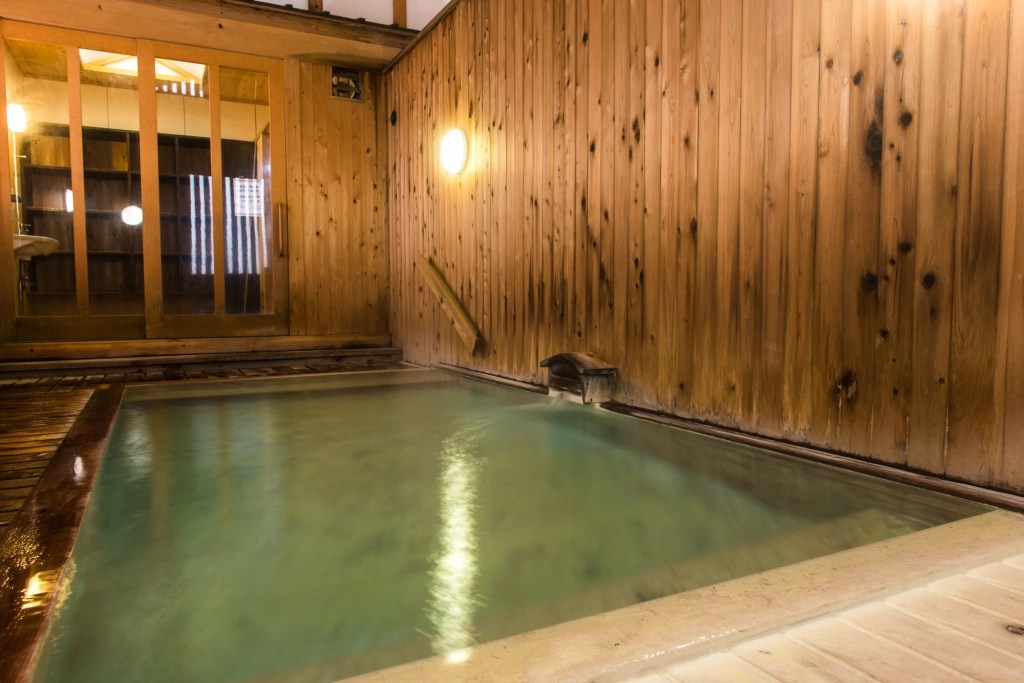
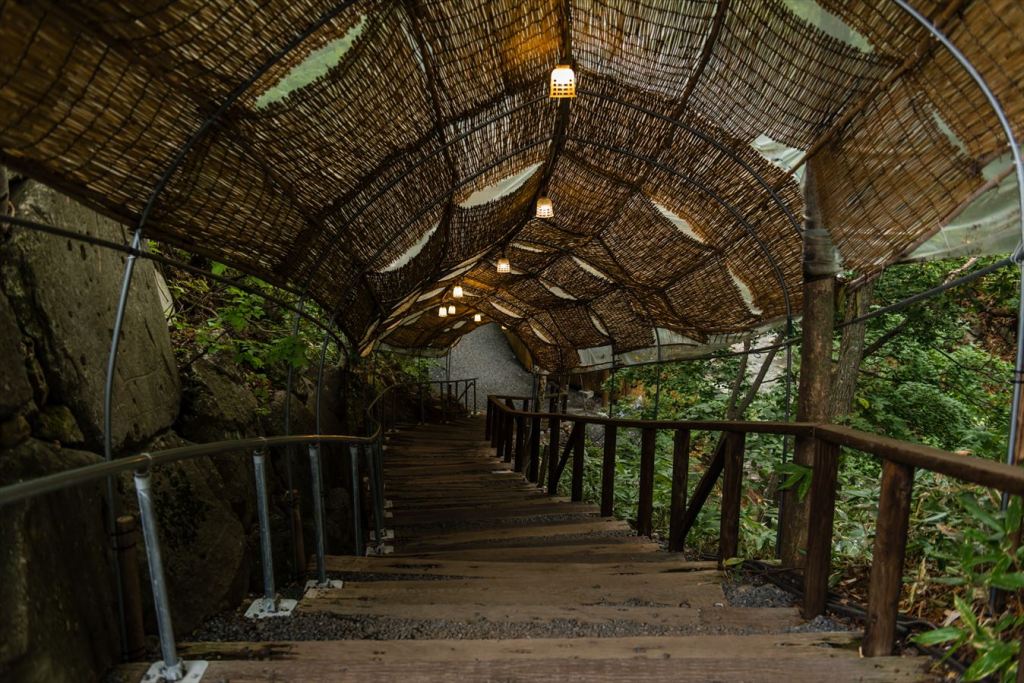
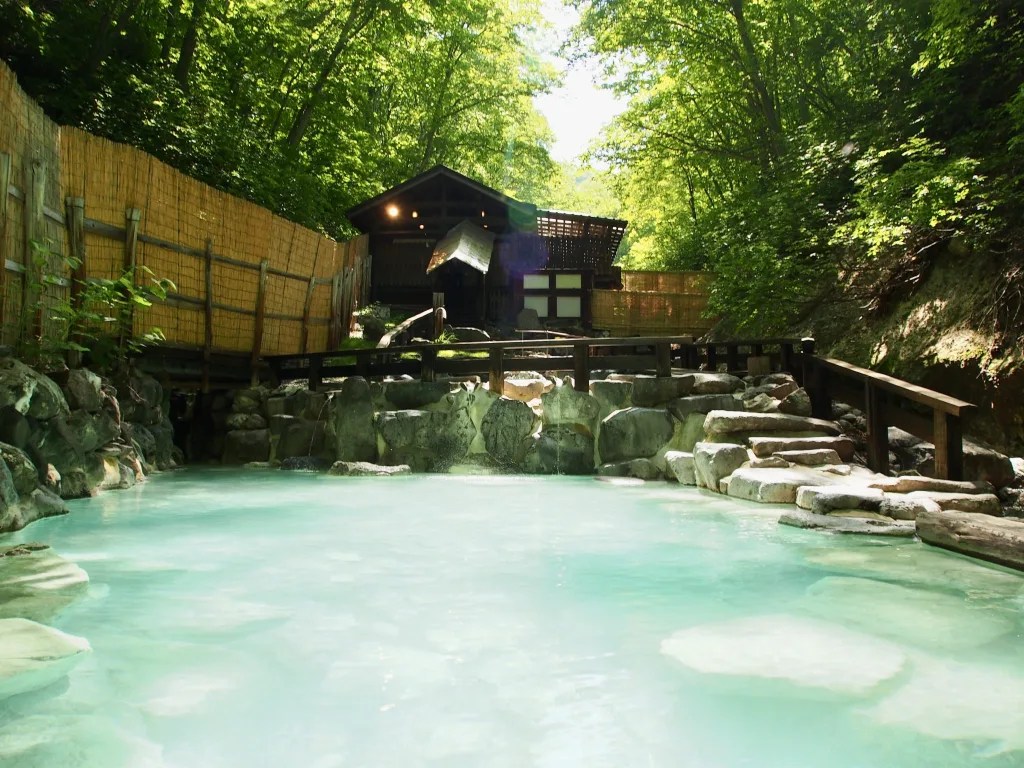
There are 4 day trip bath facilities, 3 public bathhouses and 3 foot baths located in the village, along with the multitude of inns and hotels that offer public and private bath experiences. A must visit for those who enjoy onsen is the Dairotenburo, or large open air bath. You’ll need to venture on a path through the woods, but soaking in the hot springs while completely surrounded by nature is an almost surreal and fairytale-like experience. Whether you’re gazing up at the greenery with the hum of cicadas in the summer, or watching the vibrant changing of the leaves from gold to scarlet, you’ll want to come back for more. It’s open from April until November so you can enjoy it most of the year. The reason for it’s closure in the winter? It’s quite literally located up on the mountain and not accessible through the snow.
While the onsen (and famous snow monsters in winter) are what help put Zao on the map, there’s a lot more to see and do. If traditional Japanese towns with a slow vibe are something you’re interested in, I guarantee that you won’t regret putting Zao Onsen in your itinerary. Stay tuned for where to stay, what to eat, things to do, and more.



 Zao Onsen
Leave a comment