The most prominent ropeways in Zao Onsen are the Chuo Ropeway and Zao Ropeway, but there’s also a gondola that can take you to the top, called the Zao Sky Cable.
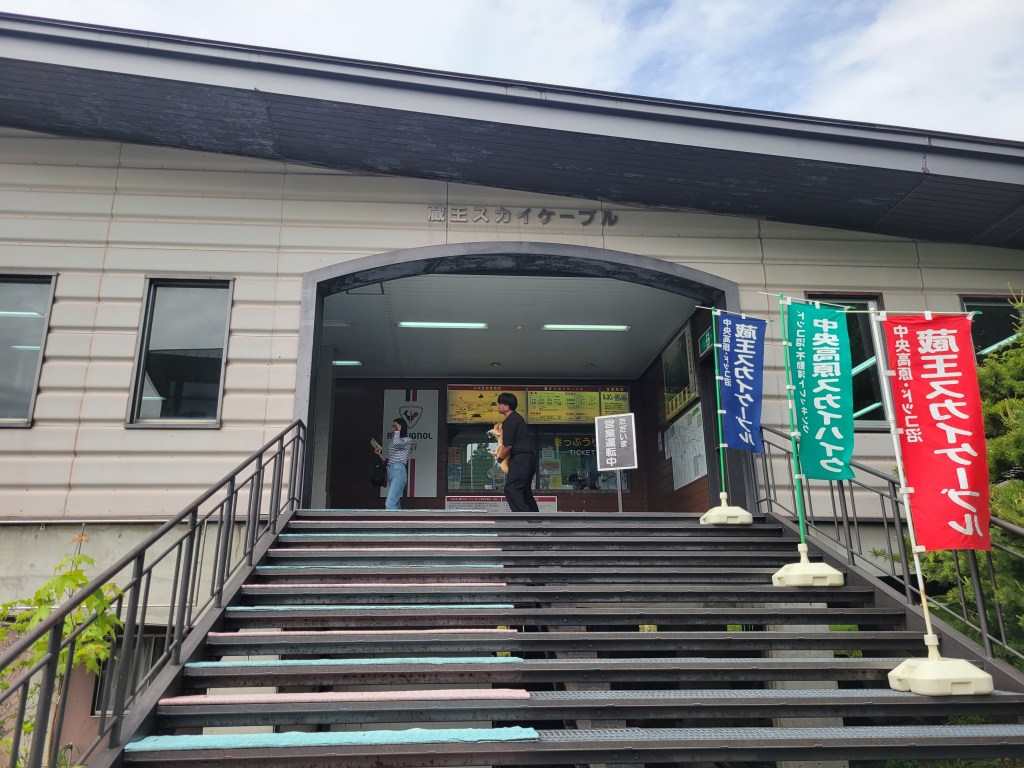
Note, if you’re visiting Zao with kids in the summer, it’s a good trip to pair with the Super Slider and paintball as they’re pretty much next to each other in the town. This day we finished 5 trips on the Super Slider and decided to take the Sky Cable to visit Dokkonuma Pond.
First, purchase your tickets from the counter. For anyone over 12 years old it’s 1,000 yen one way or 1,800 yen round trip. Children aged 6-12 are 500yen one way or 900 round trip. Children under 6 are free.

It takes about 10 minutes to the top from boarding and during off season (ie not winter or Japanese holidays), there’s usually no more than a few minutes wait to hop on. The car doesn’t stop, so hold any small children or pets (yes, it’s dog friendly!) and jump in. There’s a maximum of 4 people at a time, so large groups will be split up.
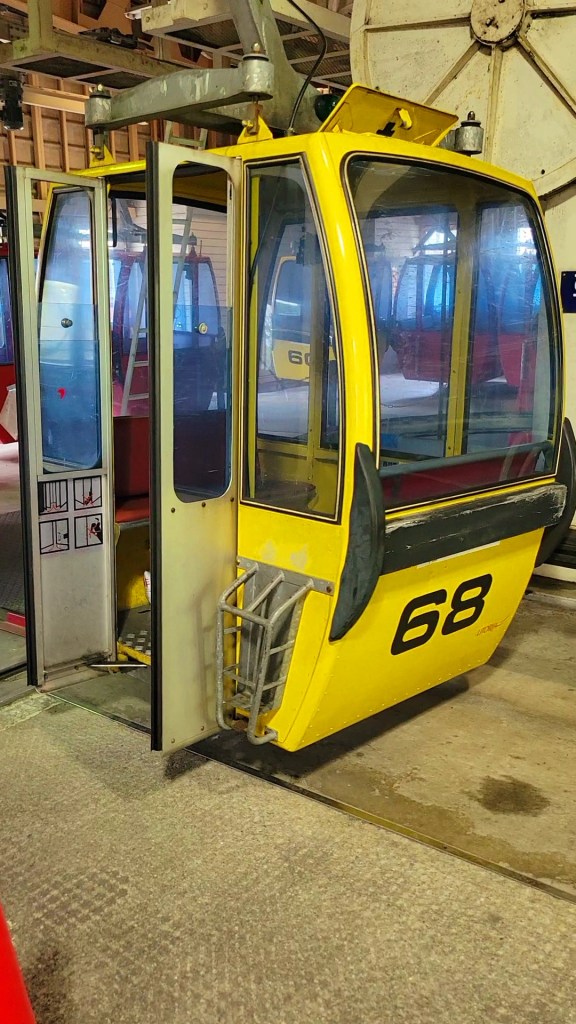
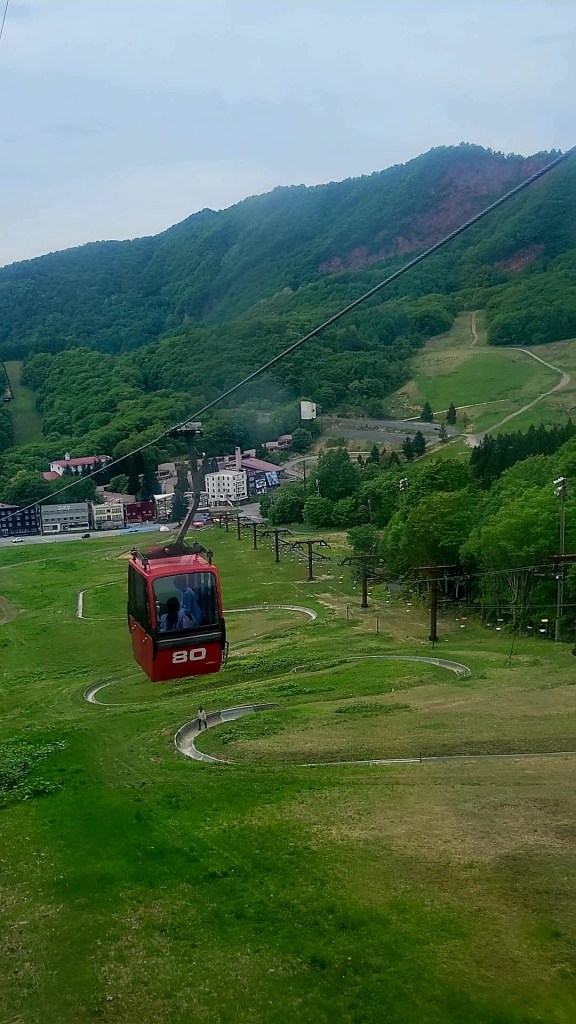
Once you’re on, sit back and enjoy the scenic ride up through the mountain! Keep an eye out and you might see rabbits, tanuki, or even the famous kamoshika deer meandering below.
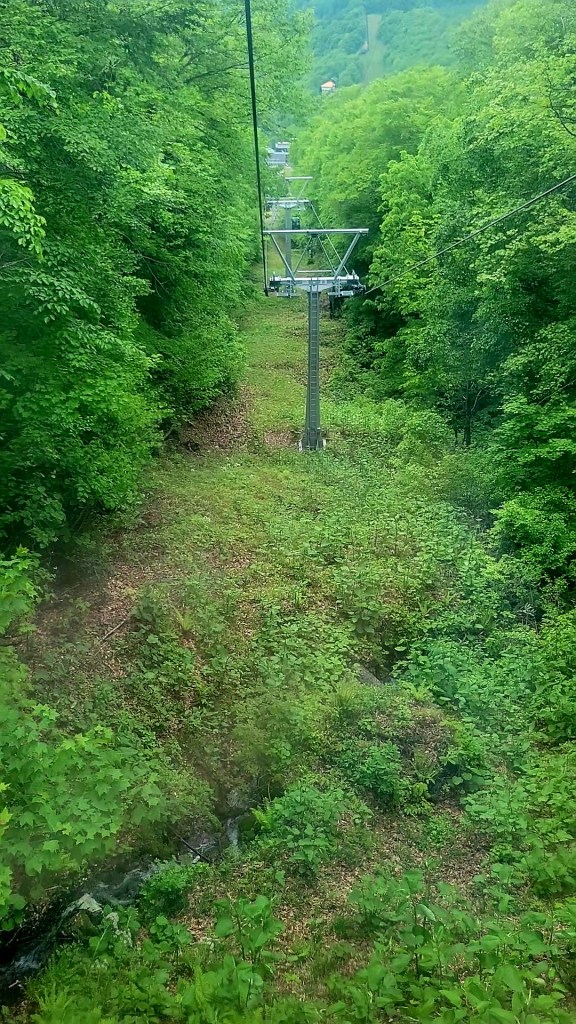
At the top, it’s another constant moving of the gondola, so make sure you have your things on hand and don’t leave anything behind when you disembark. It’s also your chance to grab a drink from the vending machines or use the bathroom facilities before going on your way. Outside of the station, a few signs help you get your bearings.

You can go on a longer hike to Mt. Ryuzan, or take the short walk to Dokkonuma Pond, one of my favorite summer spots in Zao. In mid May it was a relatively warm day for the top, but it stays cool through summer so when the bottom city temperatures hit 30 degrees, the mountain offers a respite from the heat.
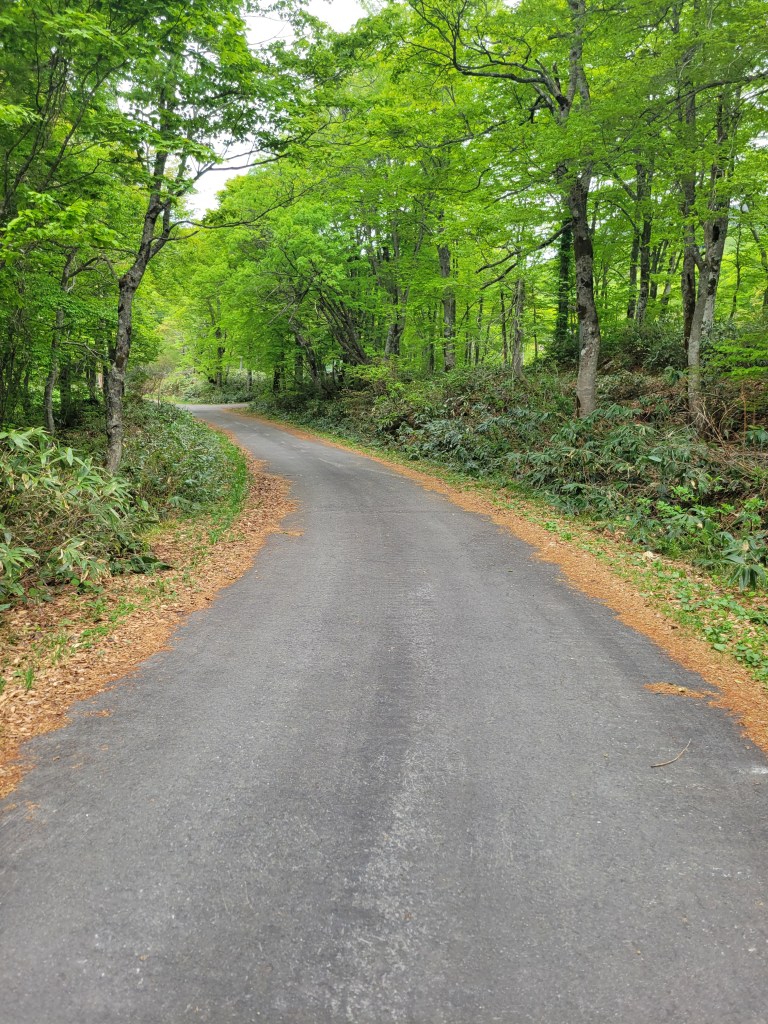
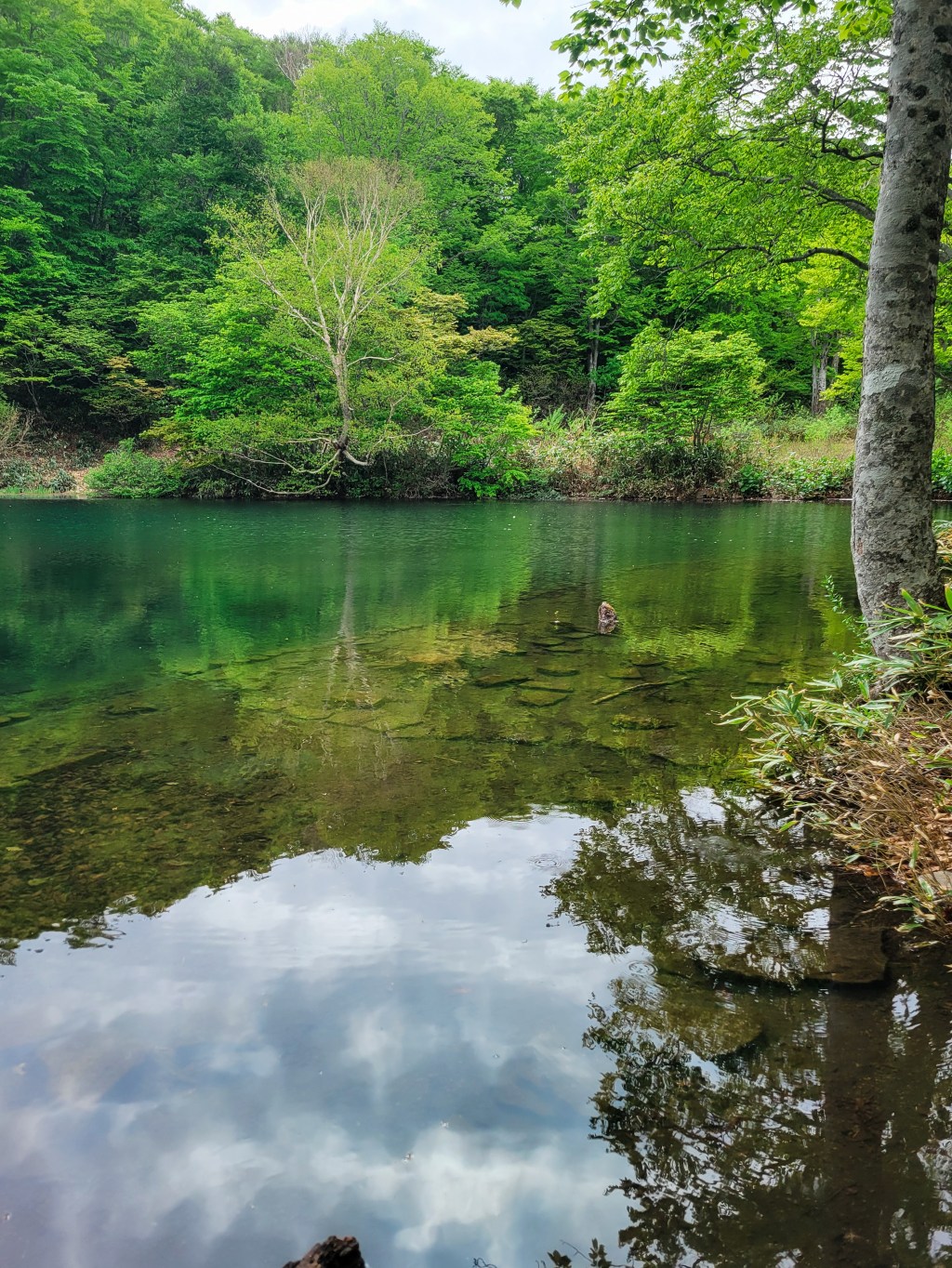
It’s less than a 10 minute walk on the path, and then the beautiful emerald water stretches before you. The name in Japanese translates to swamp, but the clear bright waters are far from swamp-like. The brilliant color regardless of season is one of the characteristics of the pond. Don’t let the weather deter you, even on cloudy days it retains the deep teal hue, albeit a little muted.
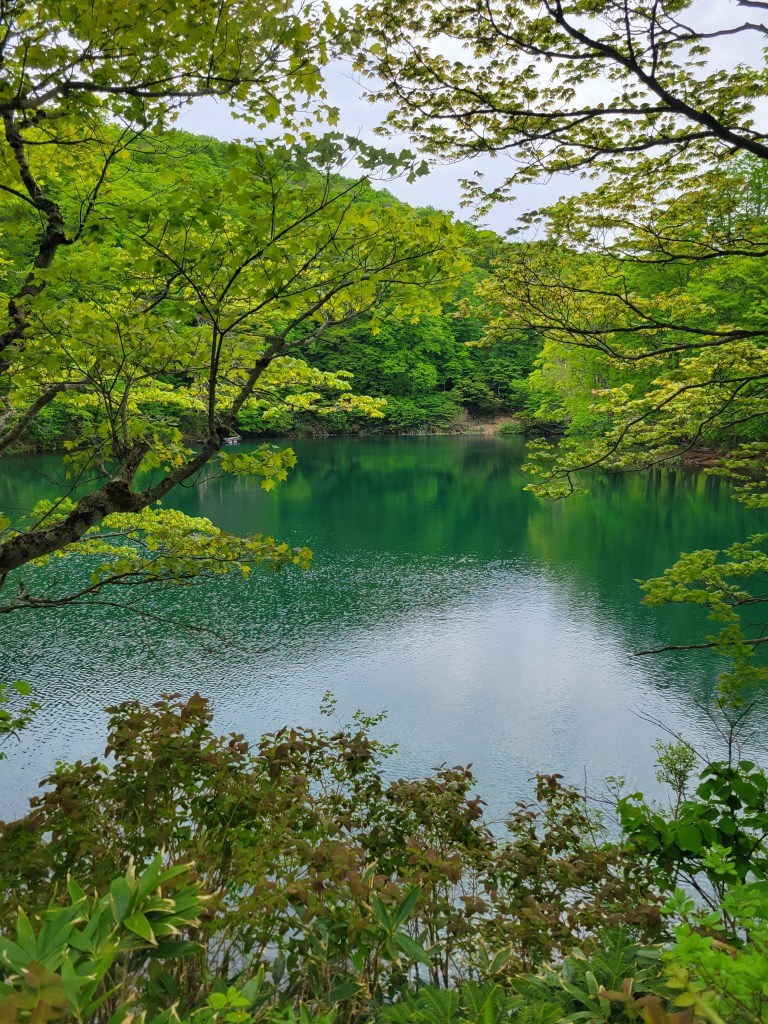
If you look closely, you can even spot some fish swimming about and occasionally leaping from the water. No fishing is allowed here, so the fish flourish even through the harsh winters. Fun fact, this pond actually helps supply water to Yamagata City, far below.
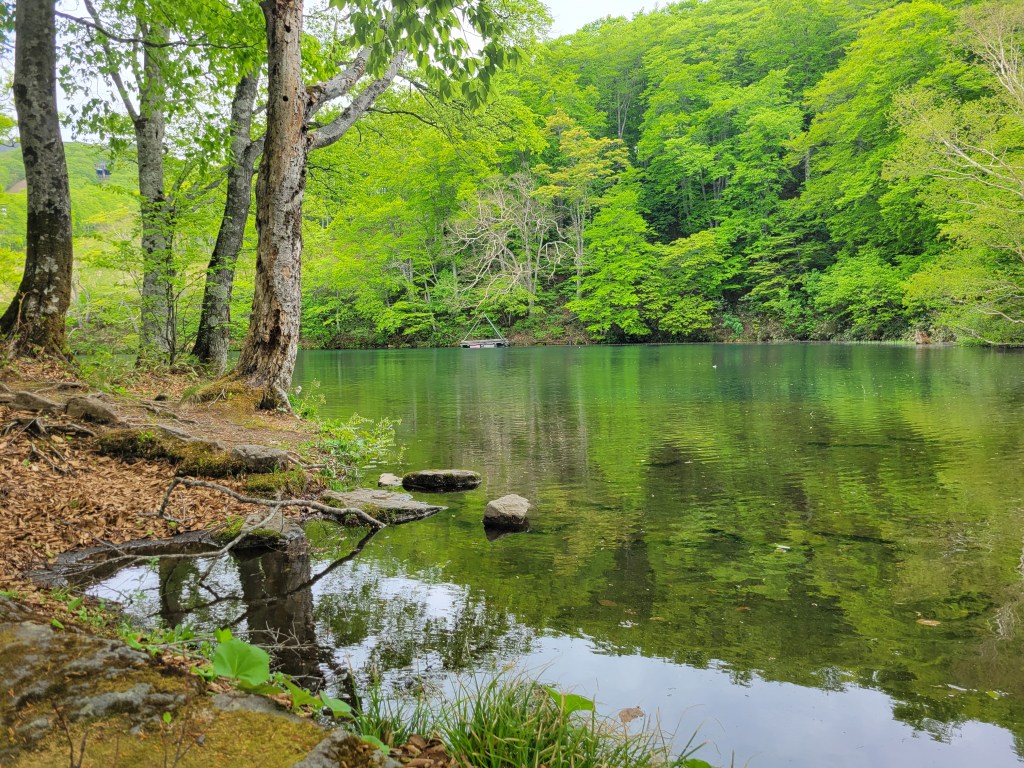
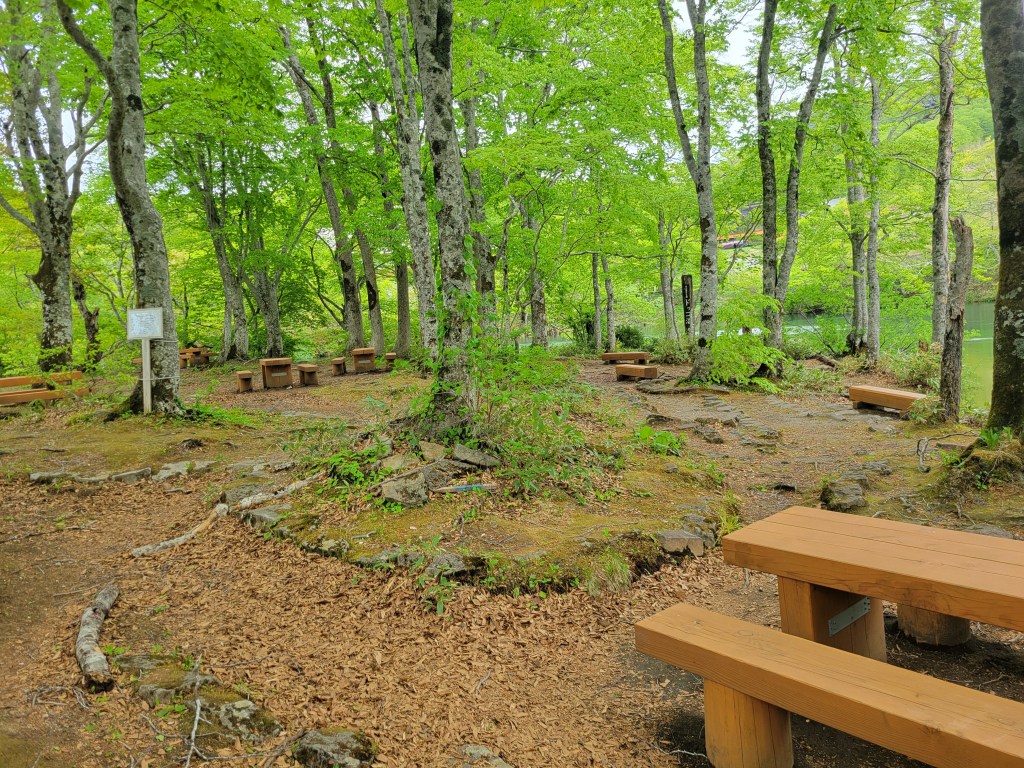
There are large picnic tables around the lake, inviting you to take a moment and enjoy your surroundings. It’s a great place for curious kids to safely nature explore as well.
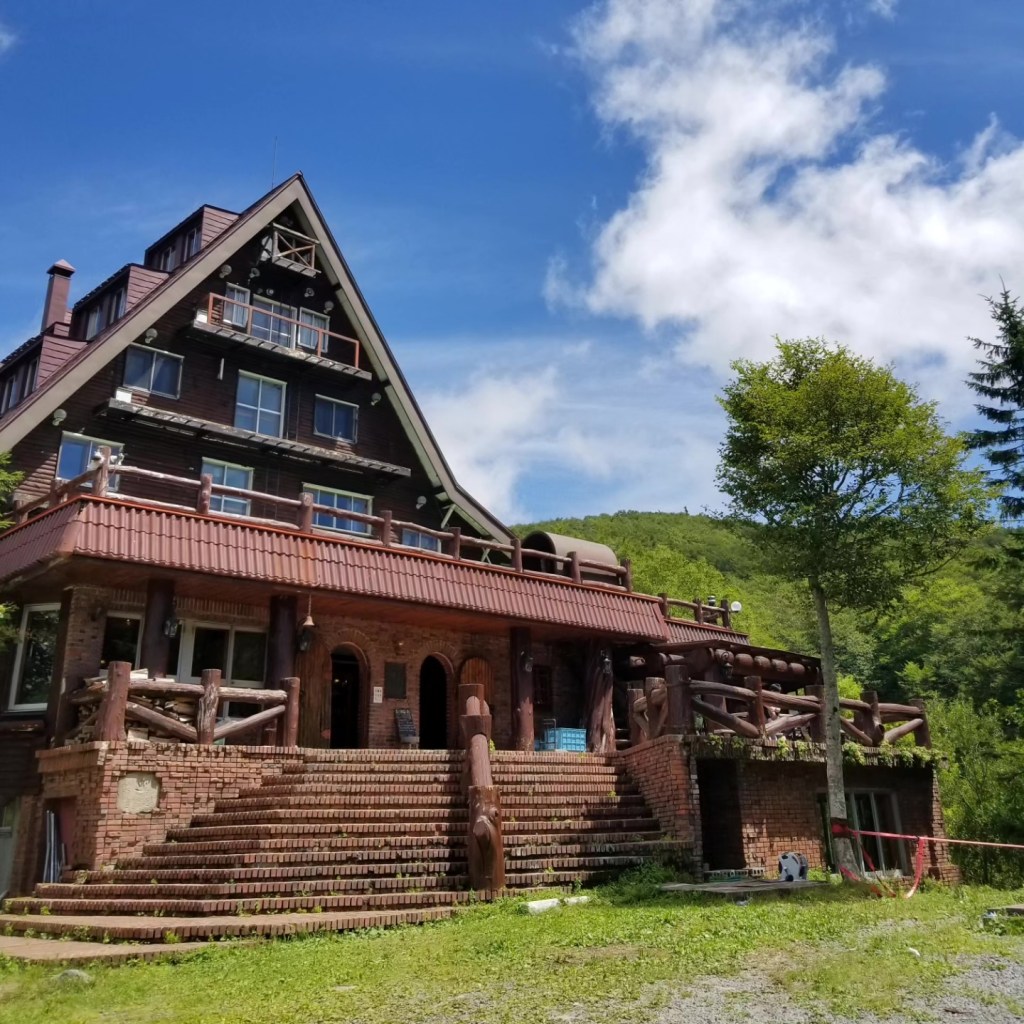
You can bring some snacks, or walk around the lake and make your way to the forest inn. Sangoro (pictured below) for a meal. It’s one of the Zao Onsen landmarks and another must visit! It happened to be a day off when we went, but I’ll be back to bring you more on Sangoro and how to get there via the Chuo Ropeway next time.
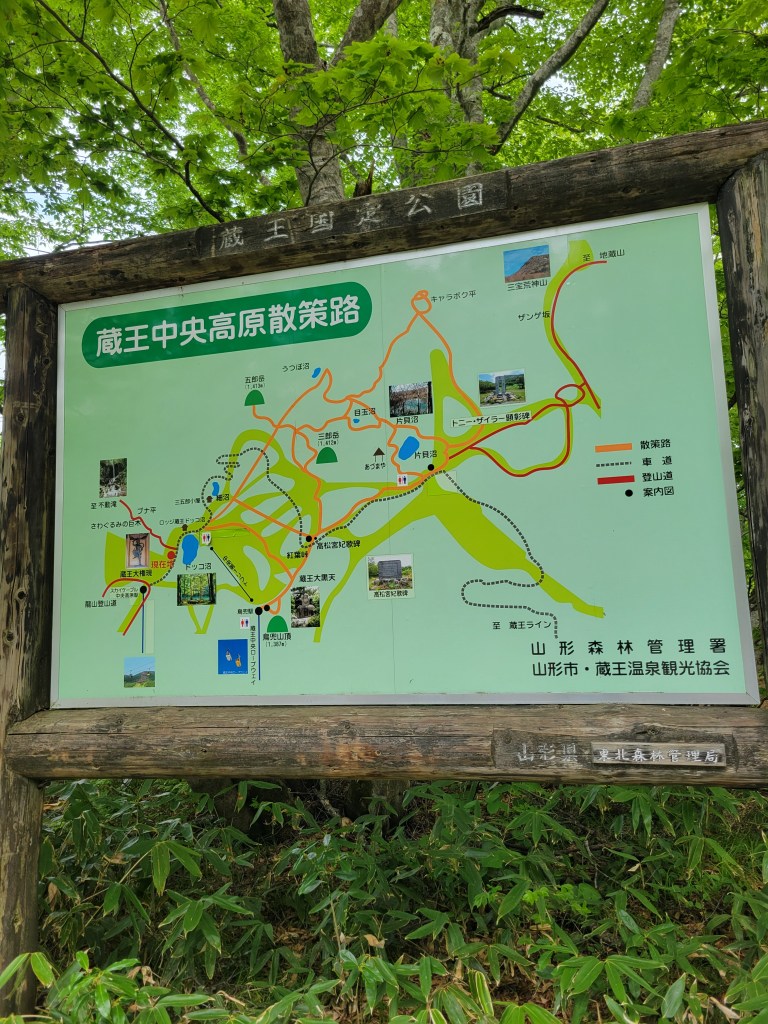
As you can see from the map, there’s also a lot more than just one pond. The orange line highlights a so-called walking course and the red is for hiking, but don’t be fooled by the label. Even the walking course takes you through fairly mountainous terrain so be prepared for a hike. The red is even more advanced. I’ll be posting more about some of these routes in later blogs!


 Zao Onsen
Leave a comment