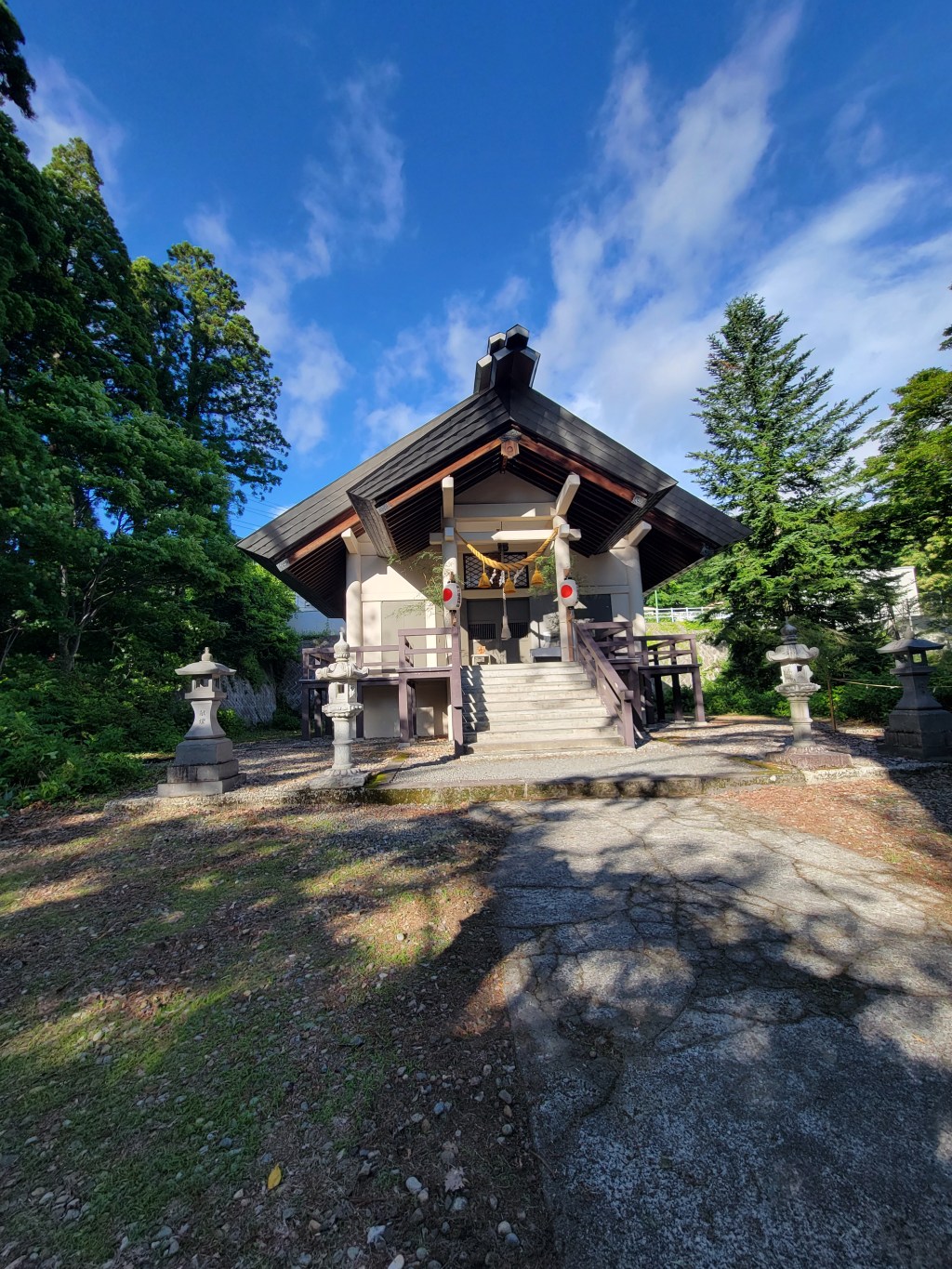
Sukawa Onsen Shrine is one of the historical center pieces of Zao Onsen and you can’t visit the town without making a visit to this shrine as well. It is said to have been founded around 834-847 and has a fascinating history that spans centuries.
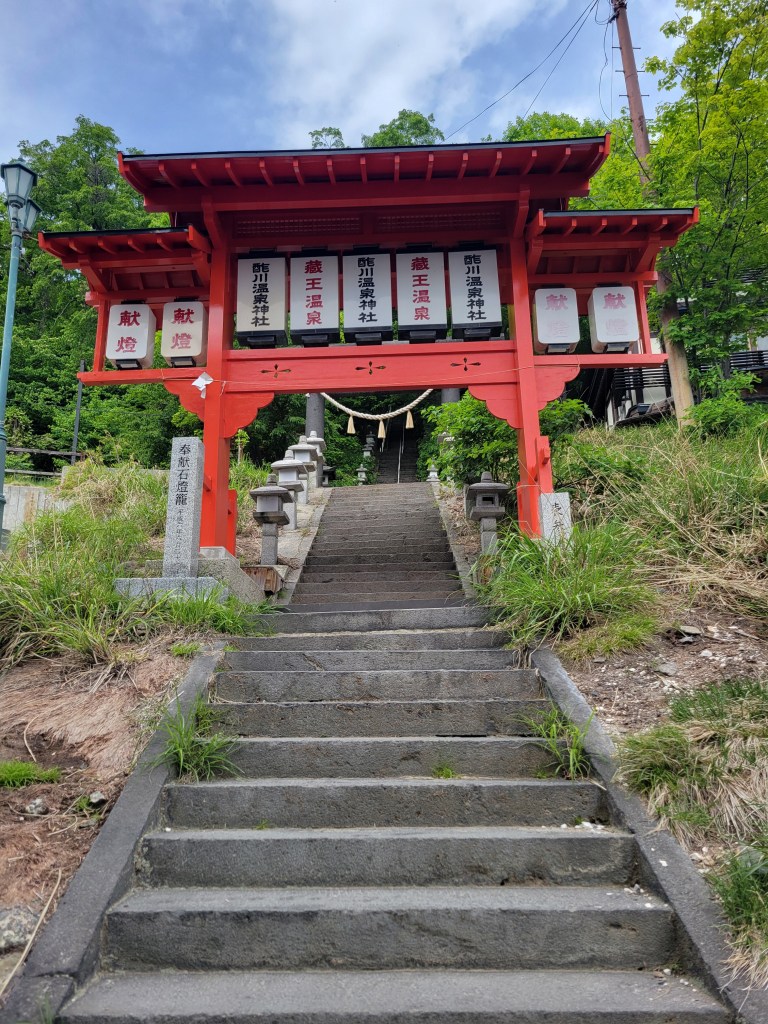
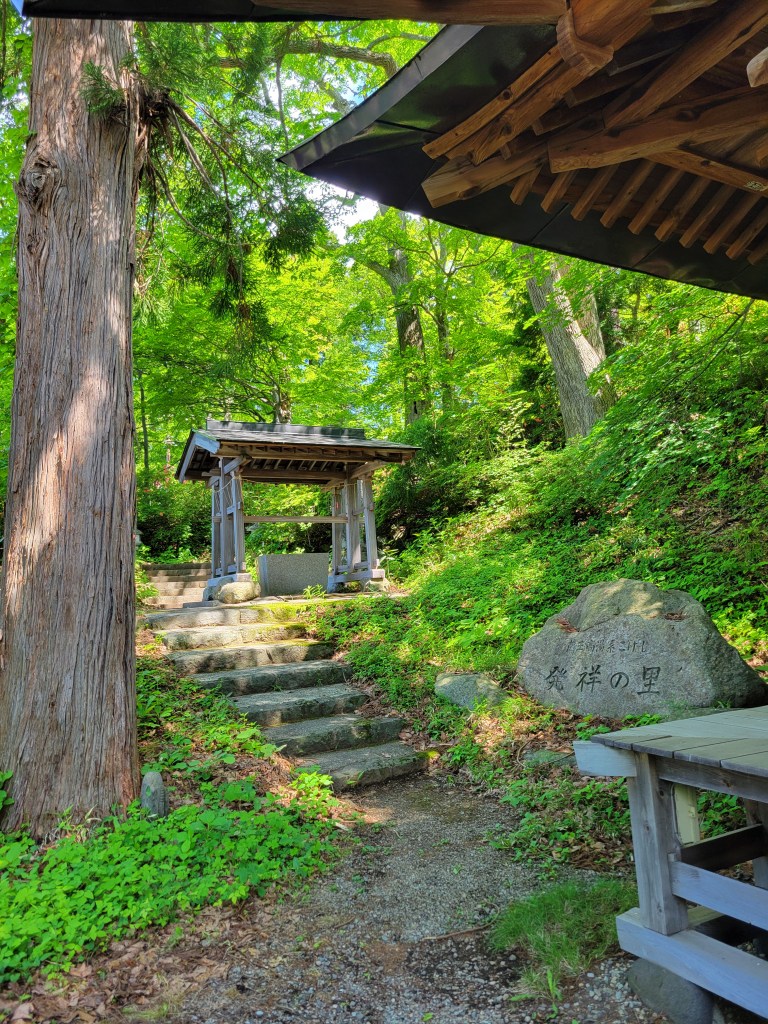
At the end of Takayu Street, you’ll see the bright red torii gate that leads the way to the shrine. The huge set of stone stairs might seem daunting, but feel free to take it slow and enjoy the scenery on the way. In mid summer, the steps are lined with rows of blooming hydrangea bushes, creating a colorful pathway.
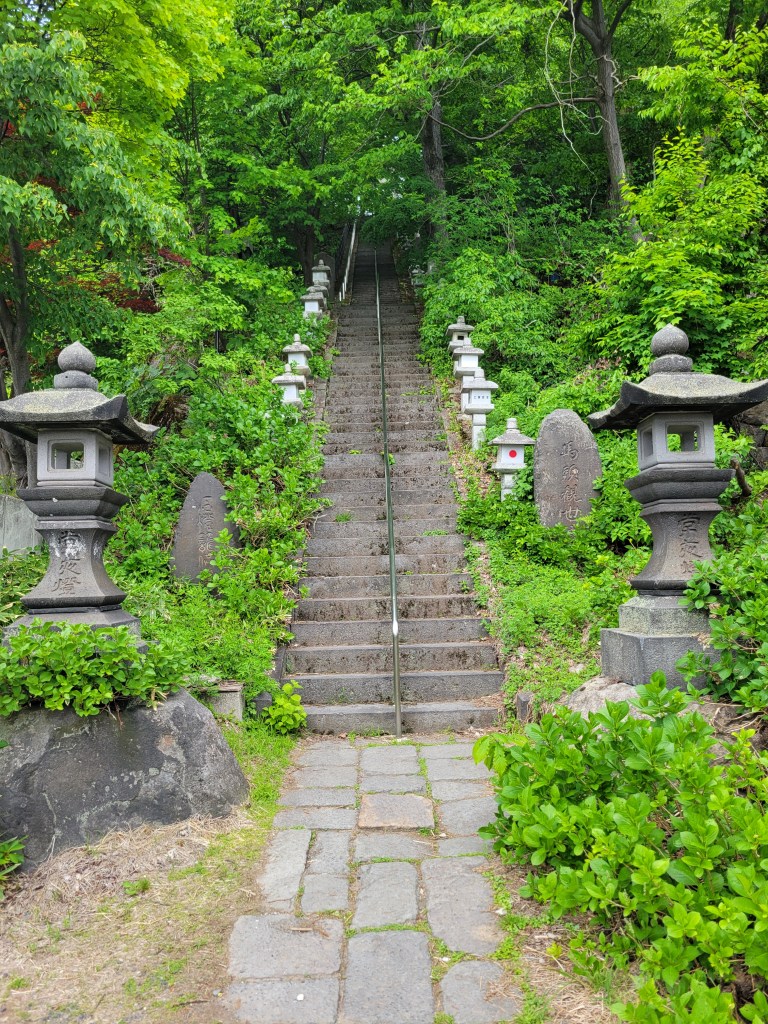
The Climb
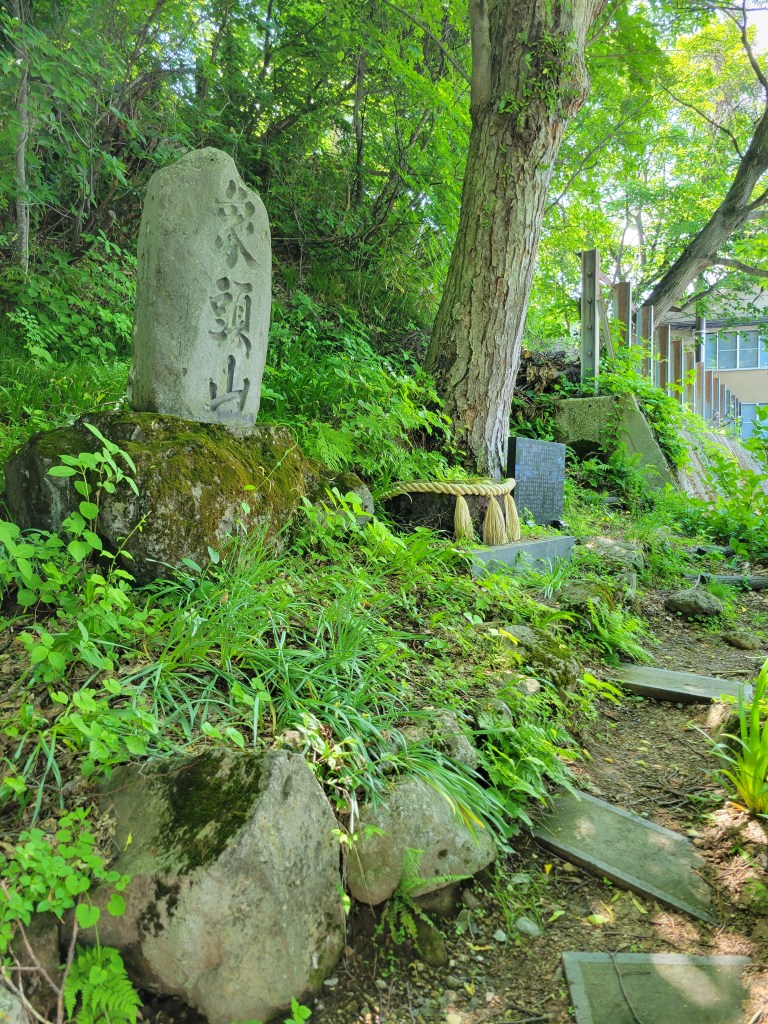
On the way up, keep a look out for a large moss covered boulder to the right. This is called the “Stone of Strength”. It weighs nearly 190kg (418lbs) and is said to have been lifted in 1561 during a contest of strength by then 16 year old Mogami Yoshiaki, the future 11th lord of Yamagata Castle.
On this trip, the young lord and his retainers were surrounded by bandits but he was able to kill their leader and seriously wound a large number of them. This act of bravery won his father’s approval and he was presented with the Mogami family heirloom sword, Sasakirimaru.

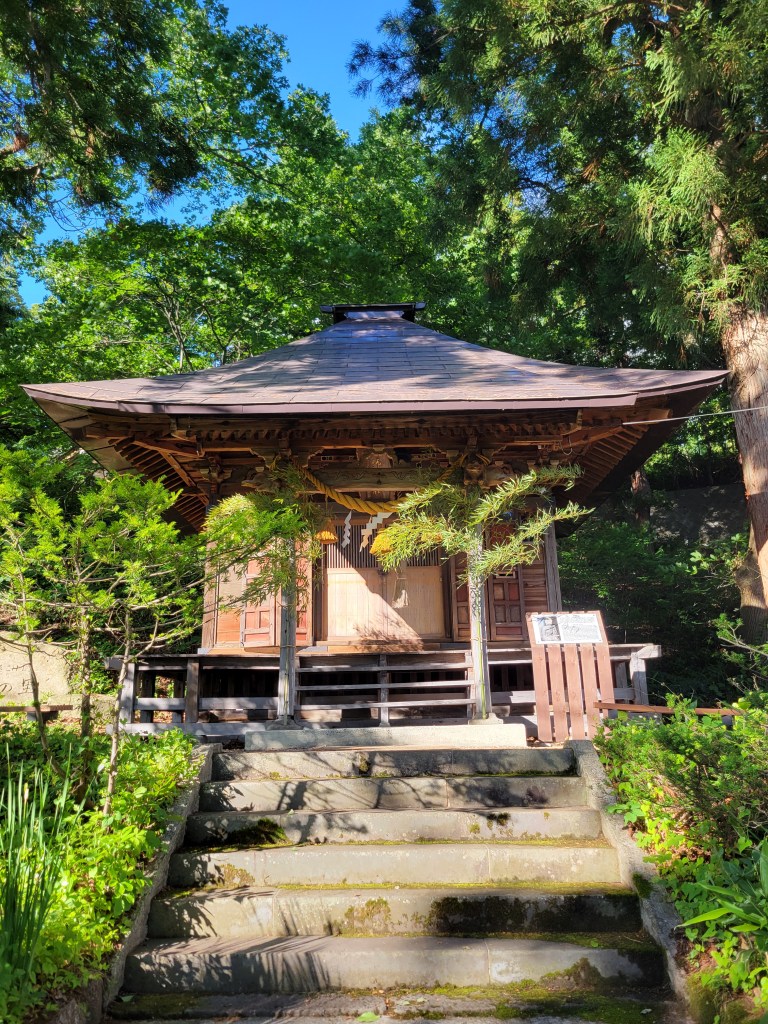
When you reach the top of the first set of stairs, you’ll see the old shrine across the road. While this was the original Sukawa Onsen Shrine, it is now called the Yakushi Shrine because it enshrines the sacred statue of Yakushi Nyorai, also called the Healing Buddha. It’s sealed inside so you won’t be able to see it directly, though it’s been analyzed and scientifically dated back to the Kamakura period (1185-1333). You might be thinking, wait, there’s a Buddha? Isn’t this a Shinto Shrine? Not exactly!
Shugendo
These Shinto and Buddhist shrines were syncretized during the period when Zao Shugendo became popular in the 800s. Shugendo is a sort of religion based on mountain worship, while combining elements of shamanism, Shinto, and esoteric Buddhism. Shugendo was temporarily banned during the Meiji Era until post WWII. Now Shugendo practitioners still exist today, called Yamabushi. Yamagata even has it’s own branch of the religion, called Haguro Shugendo.
Movement of the Shrines
Back to the Zao shrine! Historical records dating back to 863 show that even during that period, the Sukawa Onsen Shrine was highly ranked and regionally important. However, During the religious separation decree in the Meiji Era (1868), the Yakushi Nyorai statue was moved from the Sukawa Onsen Shrine to the Buddhist An Temple (near Miyamaso Ryokan) but was returned to its original place after the religious freedom bill was enacted.
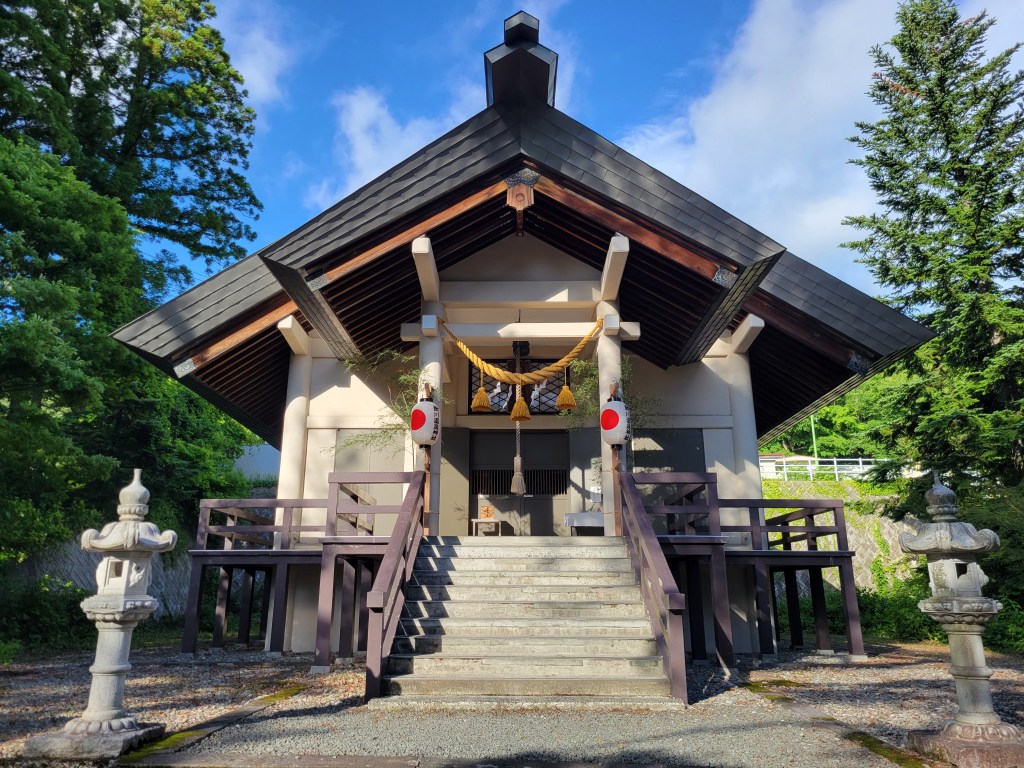
In 1959, a new, larger temple was constructed on land that was donated by Takamiya Group, previously called Takamiya Park. At this time, the old Sukawa Onsen Shrine was moved across the road to its current location and renamed Yakushi Shrine. Visitors come from all over to pray for their children, healing of illness, and continued vitality.
The Deities
The three Shinto deities fabled to be enshrined at Sukawa Onsen Shrine are
Okuninushi- Master of the Great Land and leader of the gods of the earth
Susanoo- god of sea and storms
Kagutsuchi- god of fire
The shrine is known as a place of worship for success in business, a prosperous household, romantic relationships, and success in school.
Local Significance
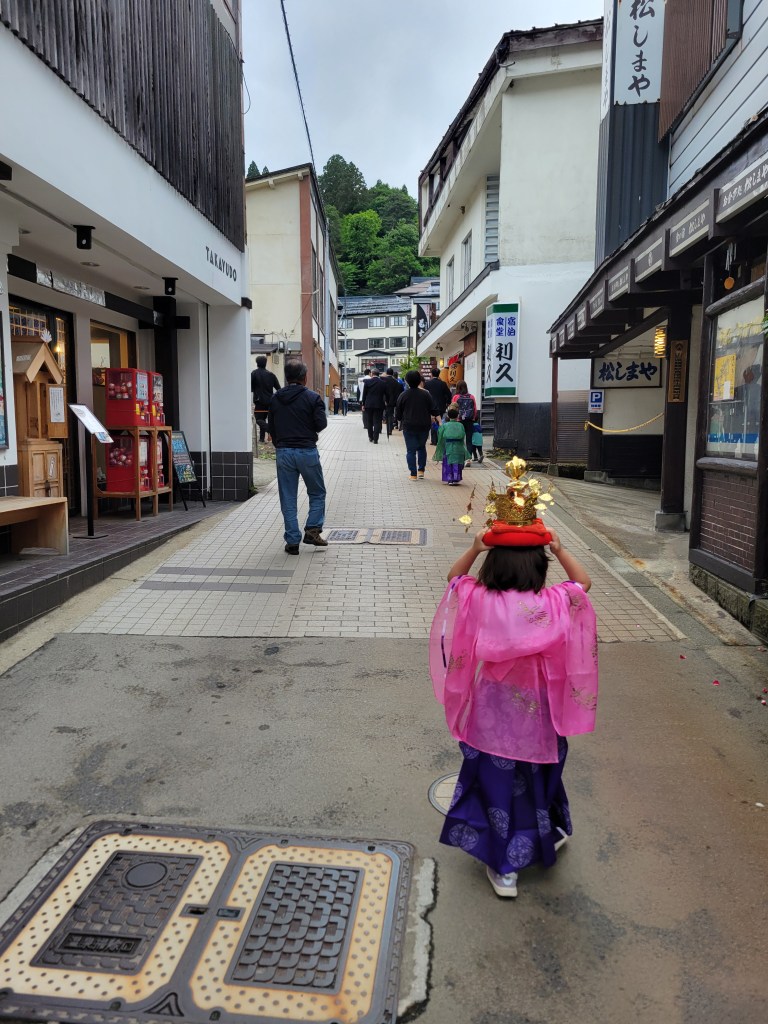
Every year on June 26th, a local festival is held featuring the children of Zao Onsen dressed in traditional wear, and praying for the health of the children and the prosperity of the town. It’s one of the few times a year the shrine is briefly open and you can get a glimpse inside as the ceremony with the town elders is in progress.
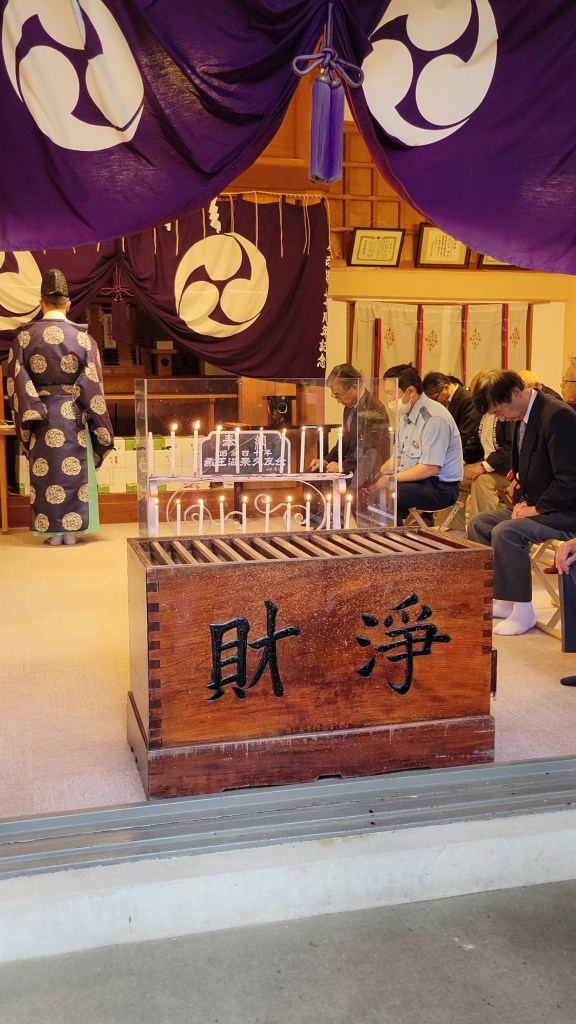
With centuries of history and tradition, Sukawa Onsen Shrine is absolutely worth the trip, just to take in the quiet piece of history that is central to the town itself.
I’ll be writing another article on the annual June 26th festival as it’s something so special and localized, and visitors should consider themselves lucky if they’re able to visit during that time. I highly recommend it if you’re planning a summer trip and weekdays don’t matter!


 Zao Onsen
Leave a comment